English version of [[航空宇宙業界] Swagelokを施工する初心者に読んで欲しい5つのこと②【切断編】【バリ取り編】](https://www.genba-log.com/articles/cb6ac399-8518-46a6-95c8-48954cf53611)
In Part 1, [Aerospace] 5 Things Beginners Should Know Before Installing Swagelok — Part 1: How It Works, we covered the double-ferrule mechanism and its strengths.
This article explains practical installation steps, starting with how to cut the tubing.
Installation step 1: Cutting the tubing
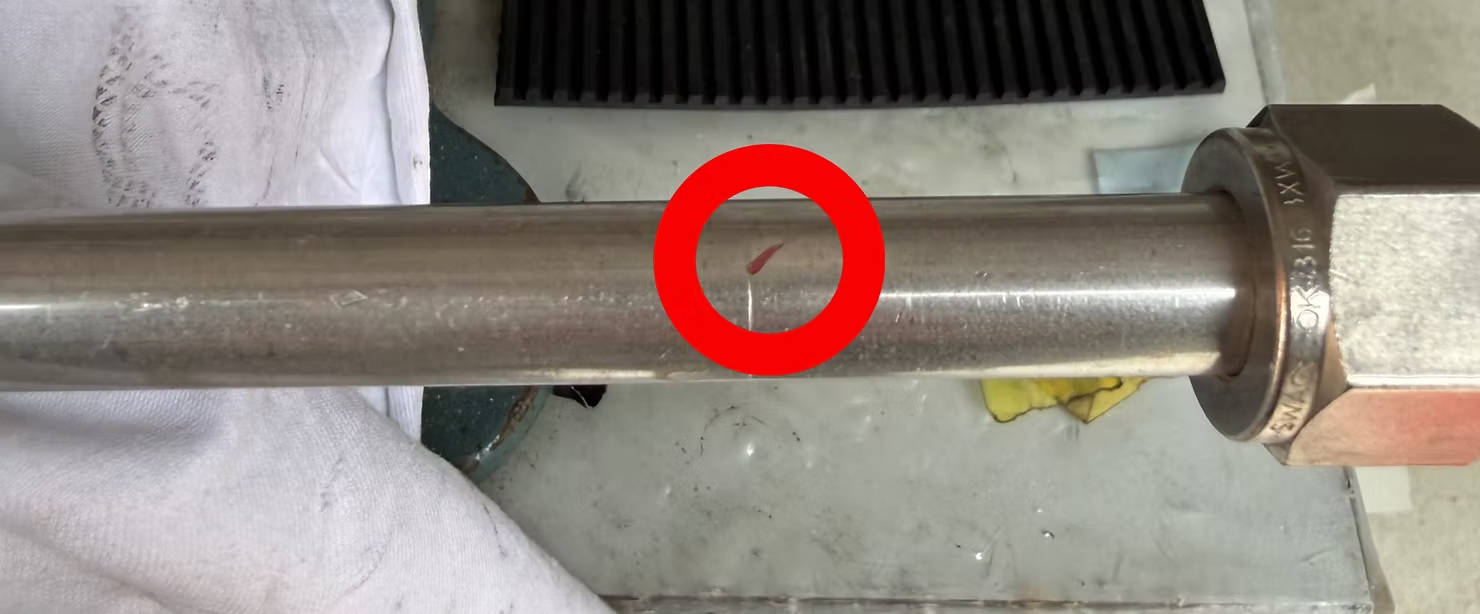
Mark the cut location as shown by the red circle.
This is a common construction-site habit: the mark is intentionally drawn with a “kick” / tick at the end.
When you need millimeter-level length control and minimal offset, this small trick is surprisingly effective.
Many people draw a thick vertical line with a marker. That line gets wide, and “exactly where to cut” becomes ambiguous.
By making a kicked tick mark instead, you can align to a single origin point and reduce error.
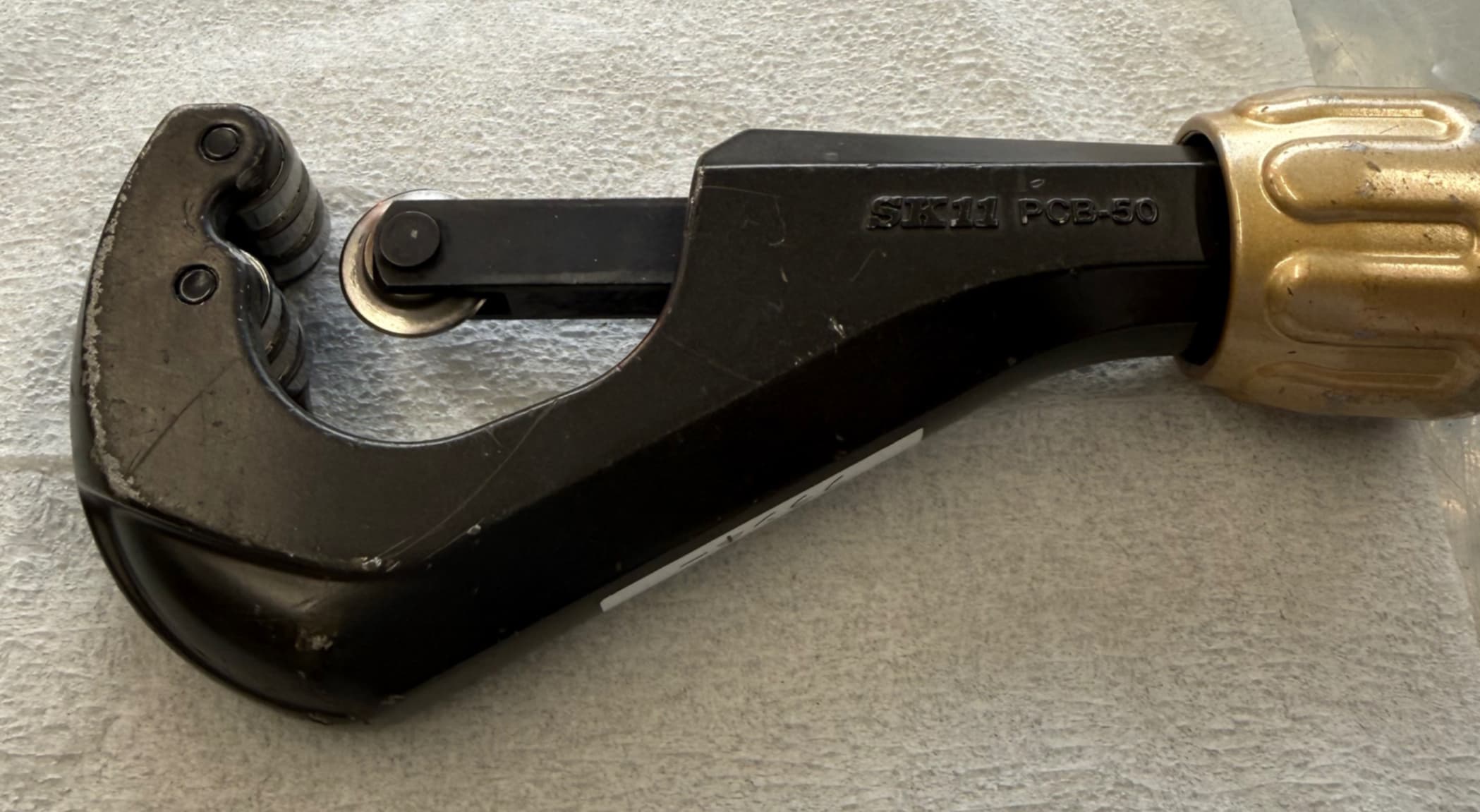
After marking, use a standard tube cutter.
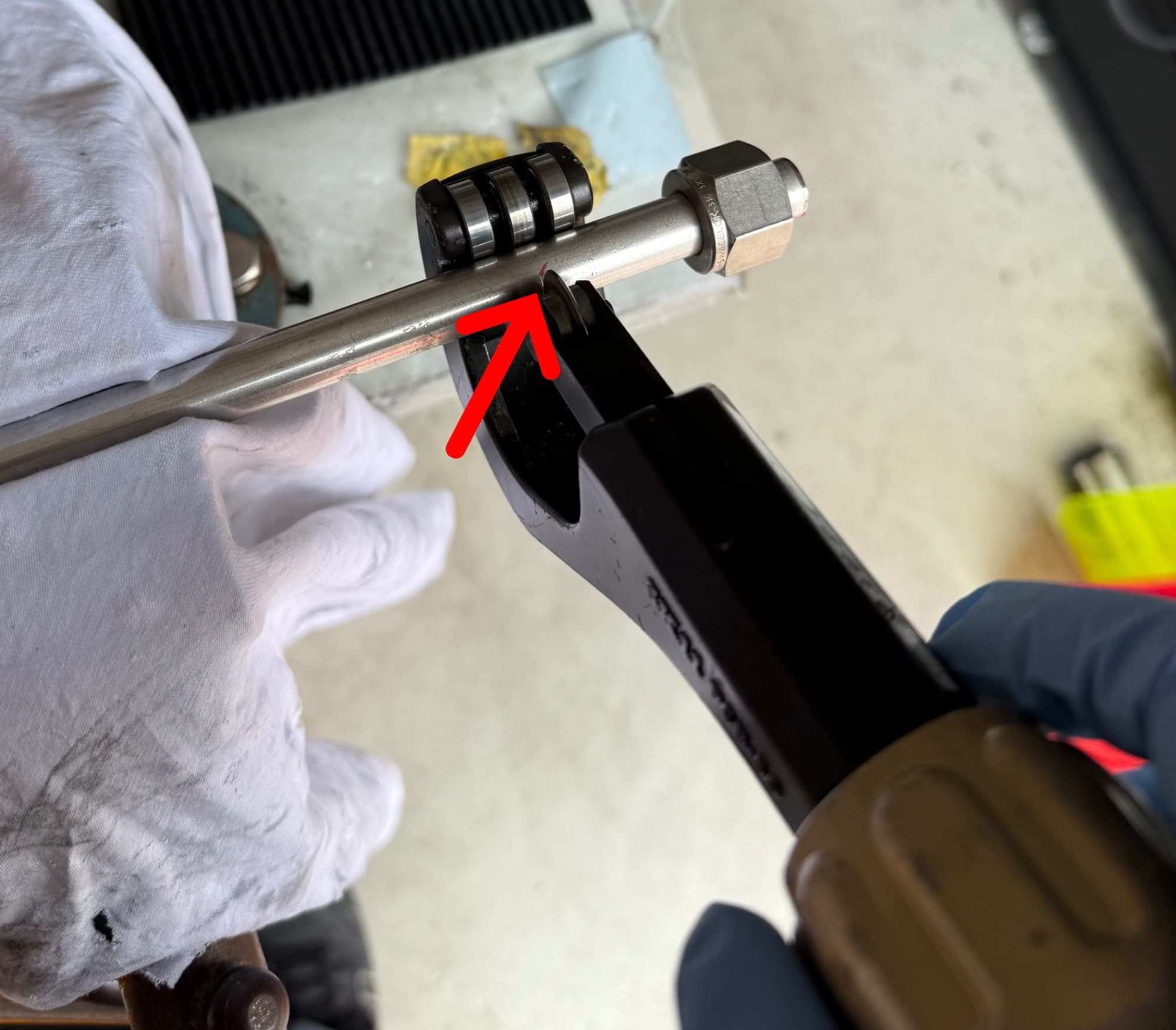
Turn the gold handle on the right in the photo until the blade contacts the tubing.
Then, as in the video, advance the handle about 1/16 turn to lightly bite the blade, and rotate the cutter around the tubing twice.
Repeat until the tubing separates.
This is the cutting method explained in Swagelok’s official guidance.
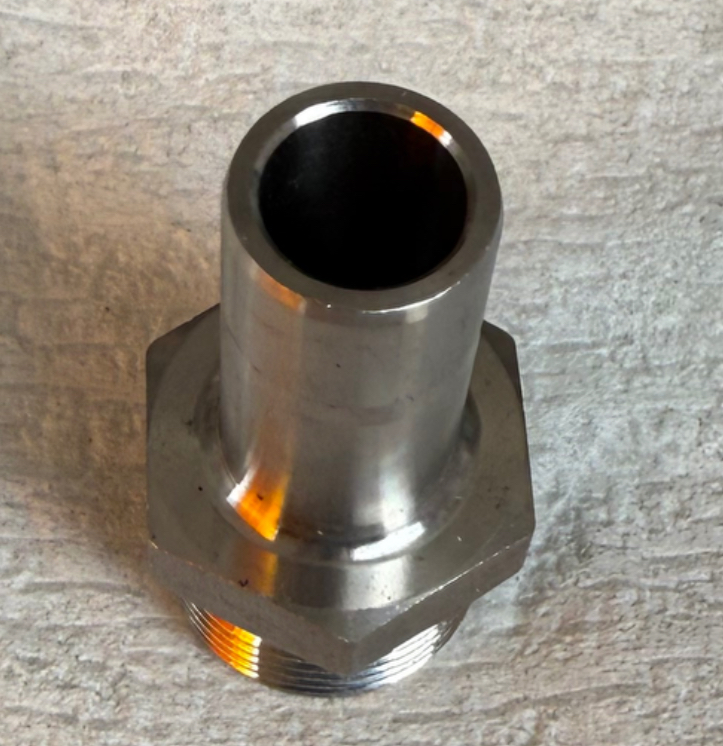
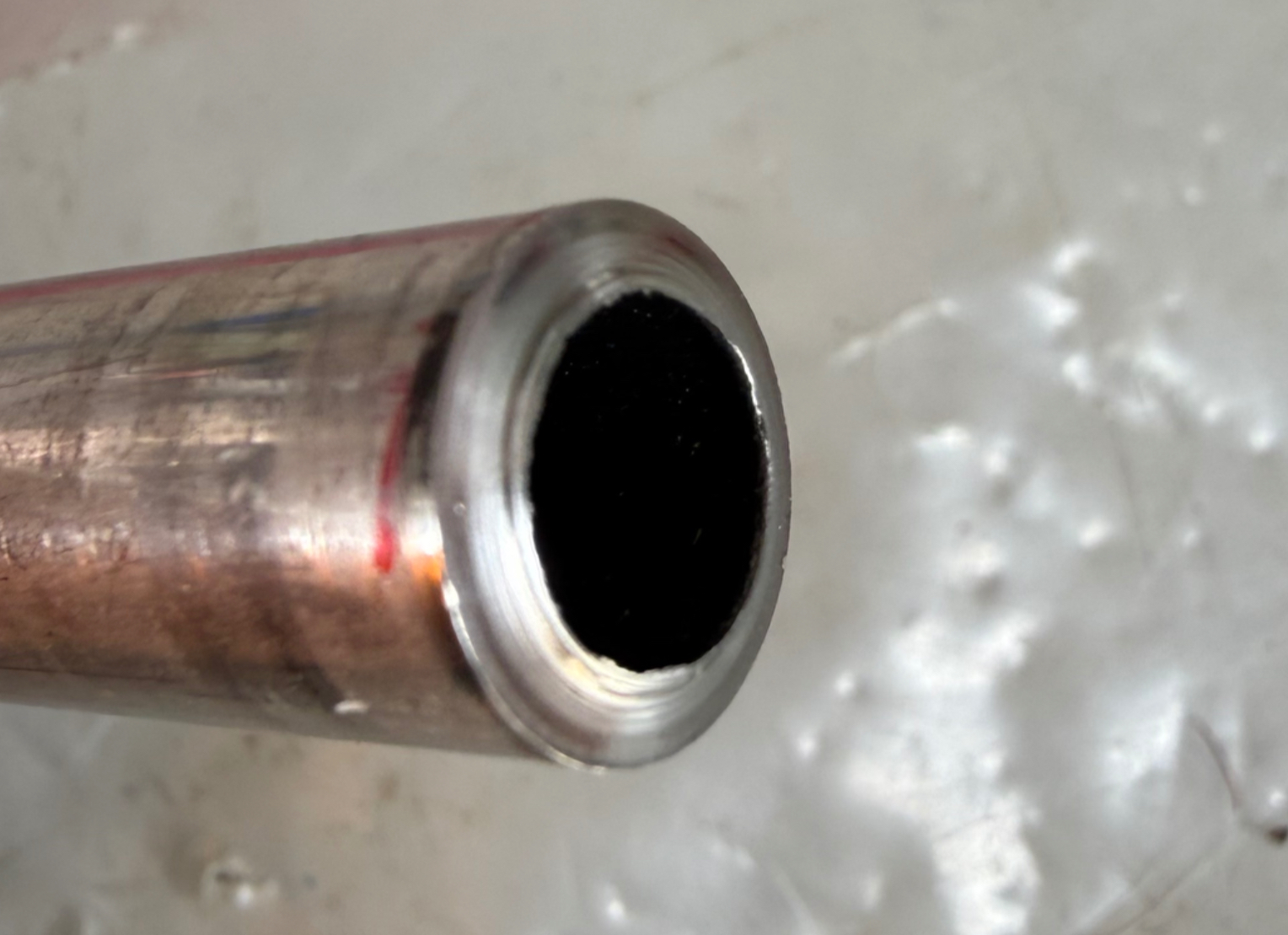
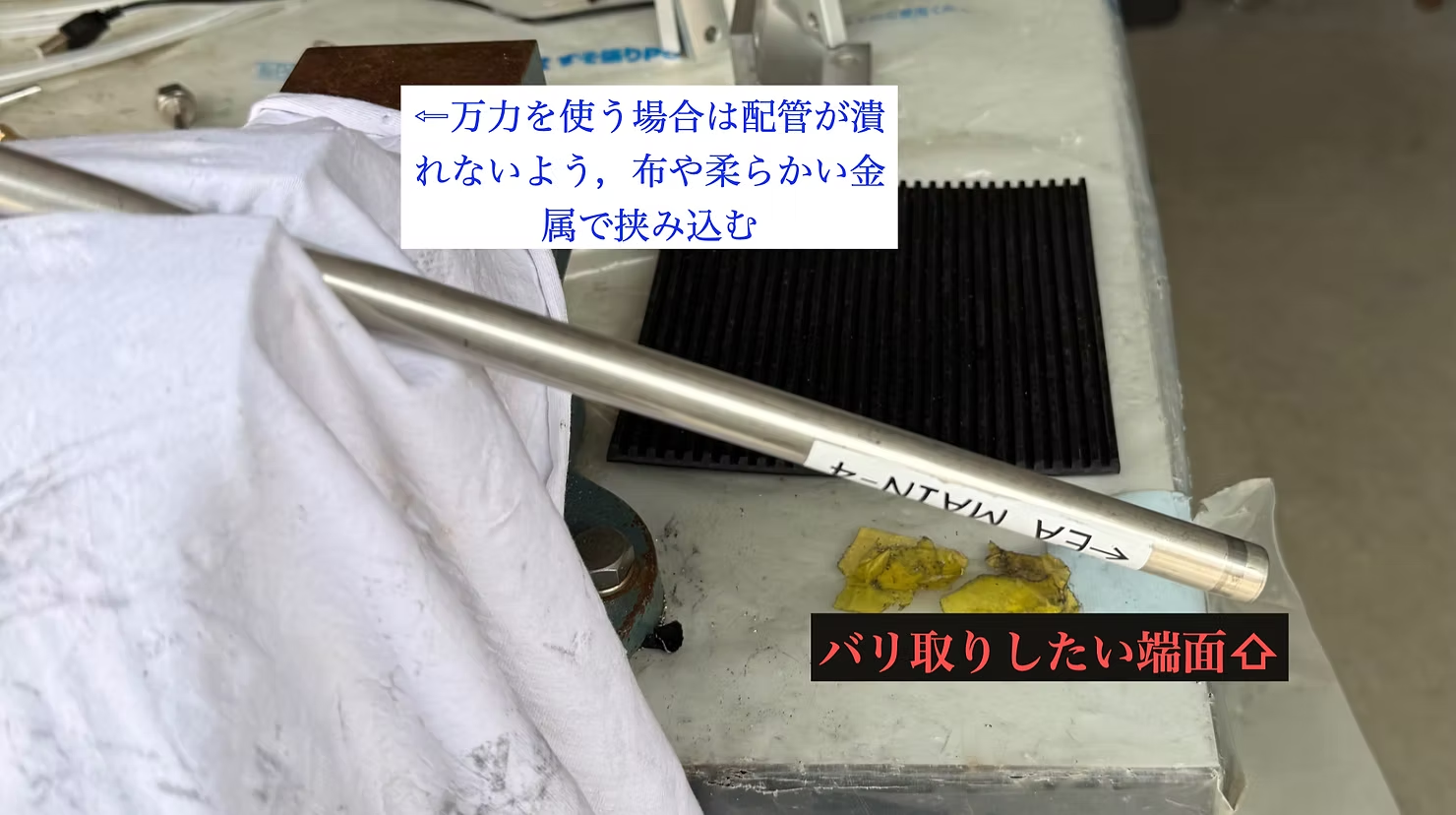
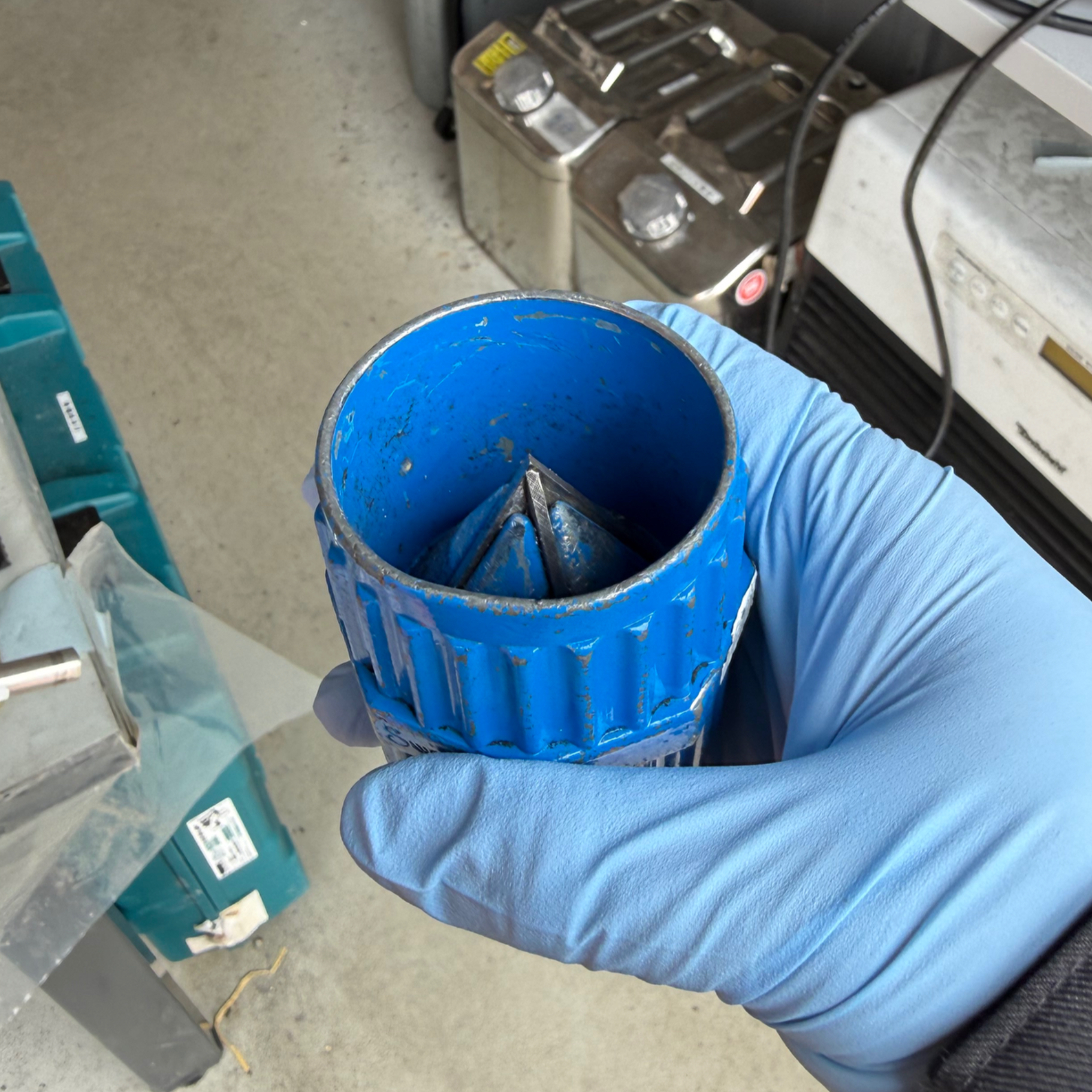
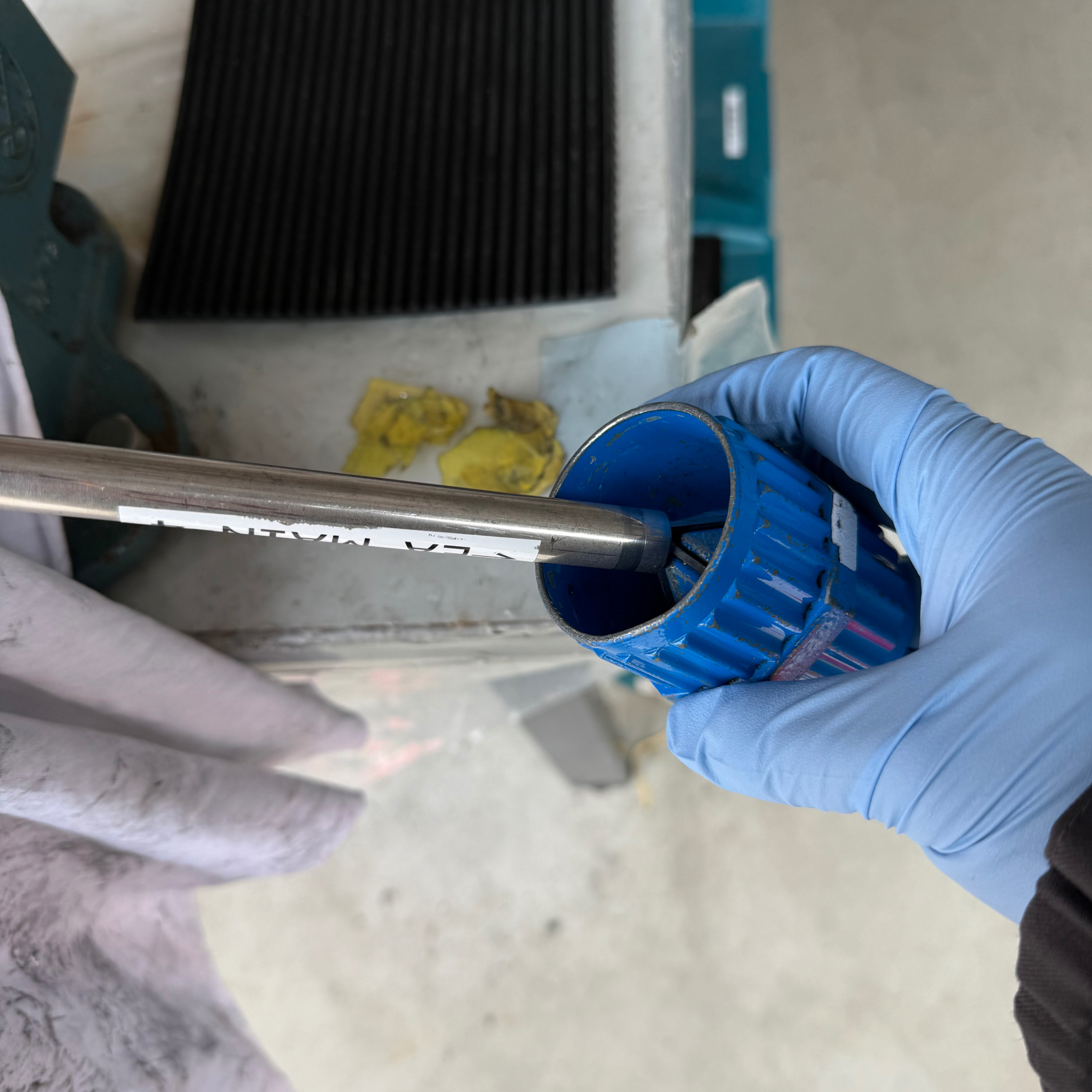
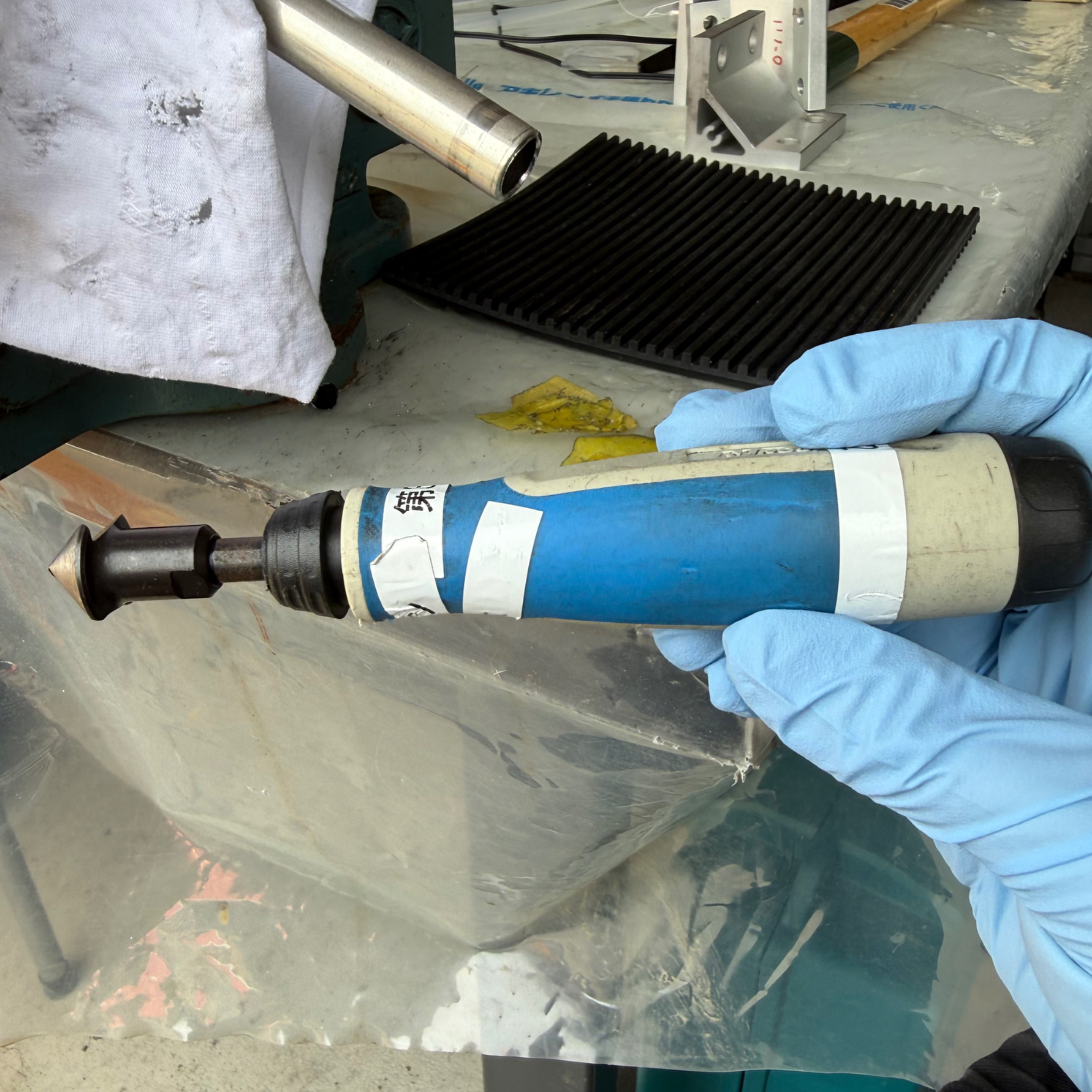
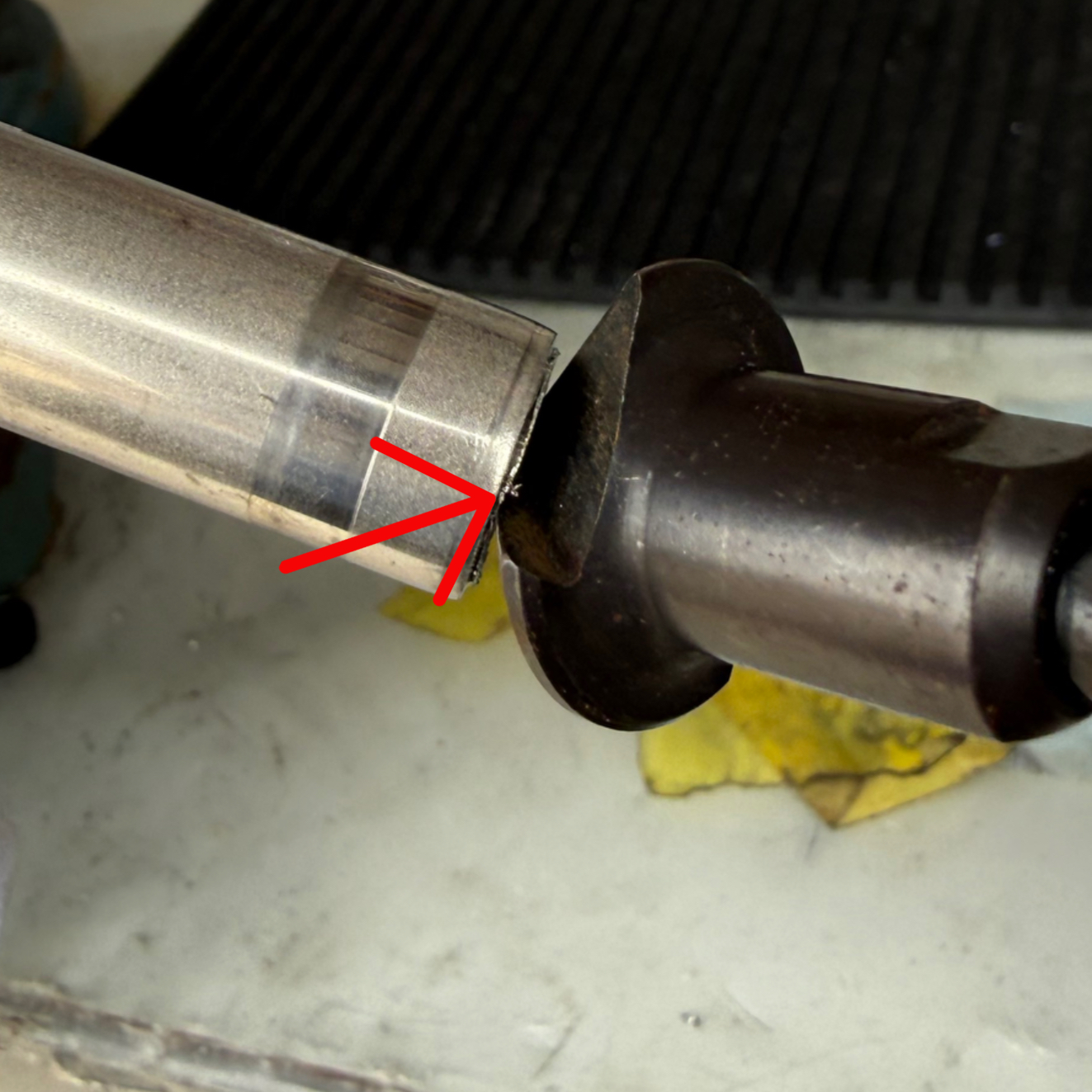
Automatic deburring tools are also available now. You do not need to insist on hand tools — use commercial tools or drill bits flexibly.
After the burrs are gone, clean the tubing.
This is not cosmetic. It protects internal cleanliness. Invisible metal fines and process oils can remain after deburring.
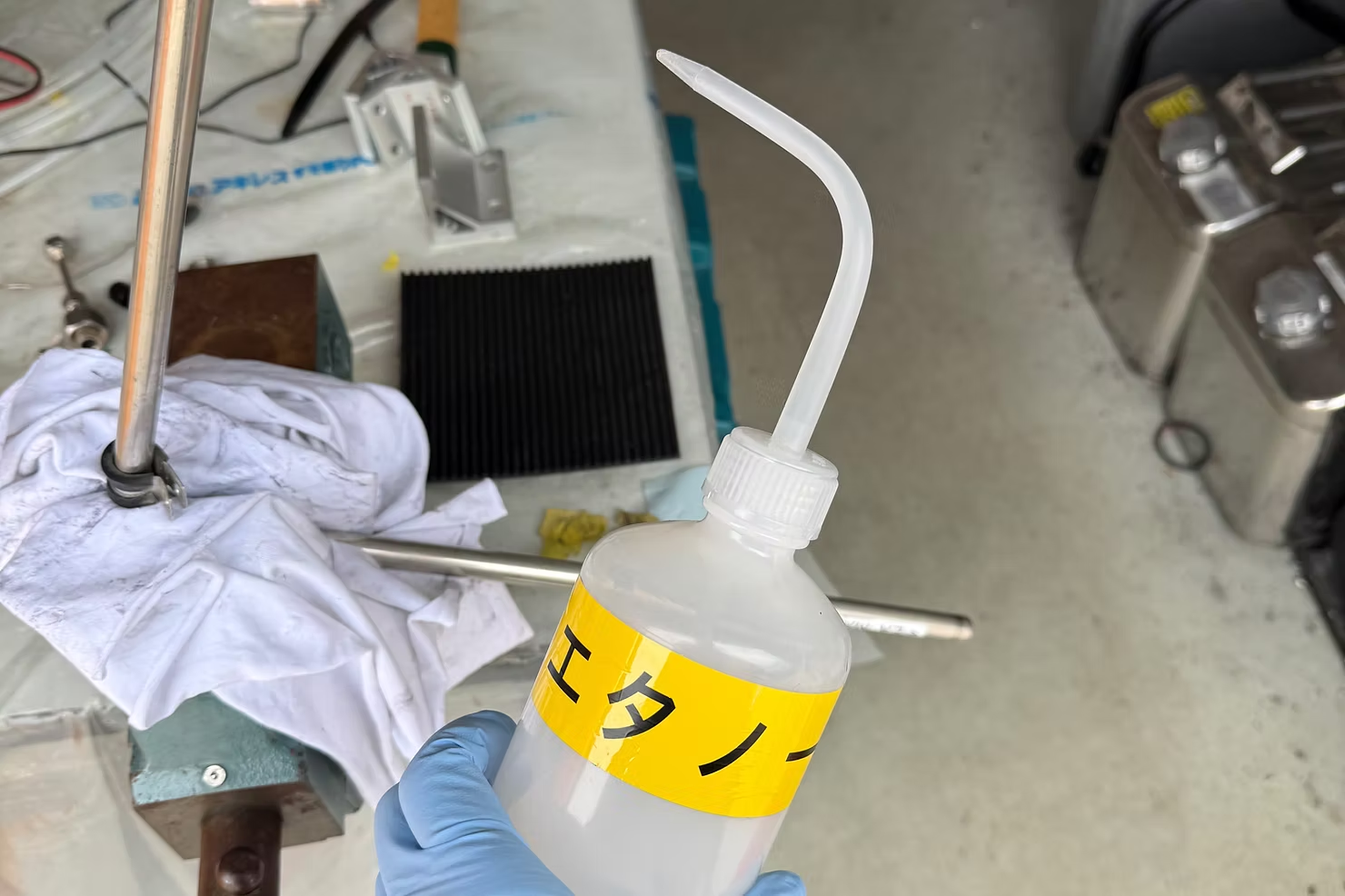
Use a solvent such as ethanol or IPA that can wash oils, burr debris, and other contaminants, and that will volatilize in your use environment.
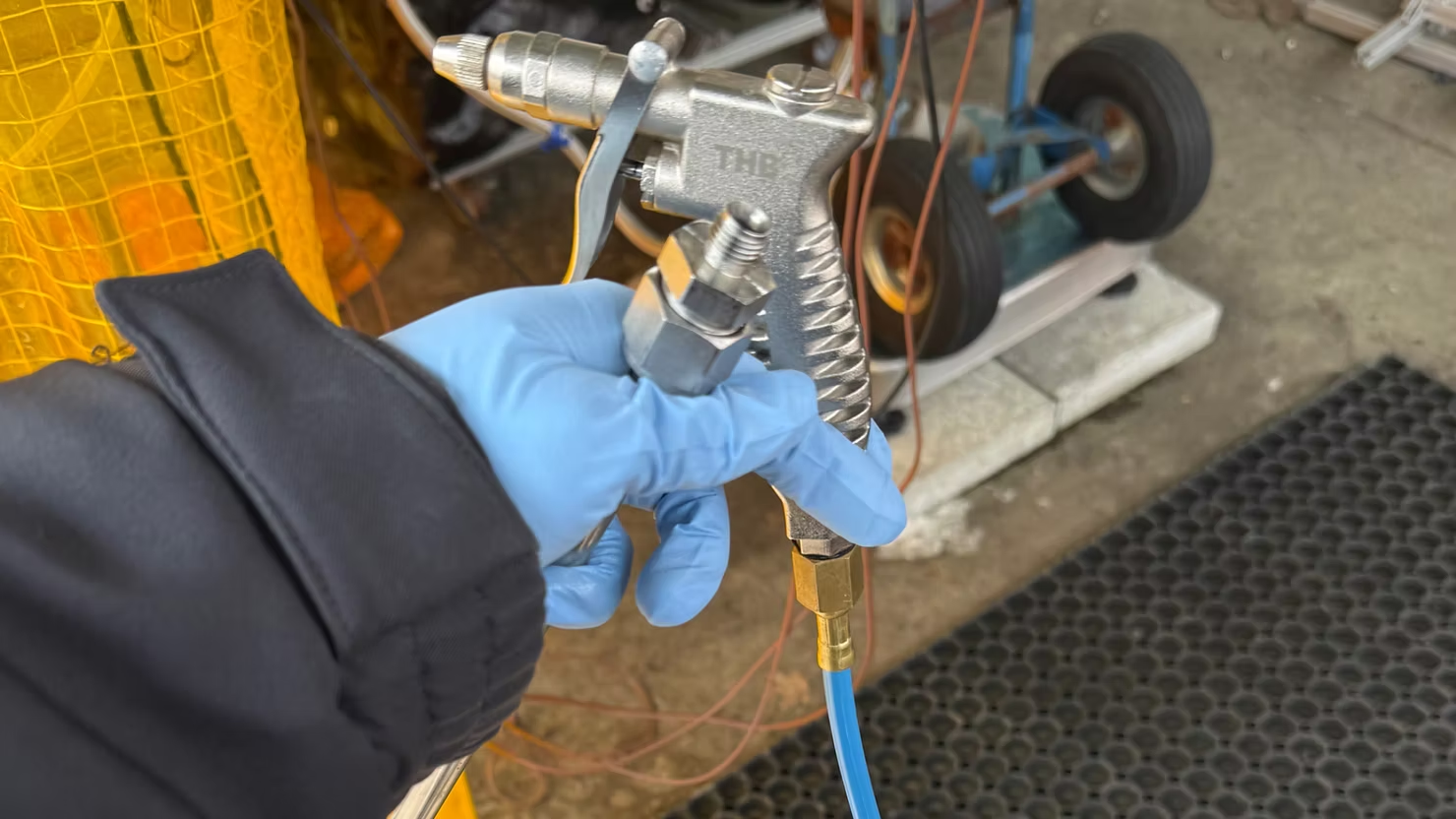
After cleaning, dry thoroughly with air blow or similar so solvent does not remain. Depending on the fluid, residue can cause trouble — do not skip this.
Required cleanliness varies by fluid and use case; consider a stricter clean/degrease process when needed.
In oxygen service even tiny organics can become an ignition factor, so follow the applicable standards and procedures for cleanliness.
The next article covers swaging / making up the ferrules.
This “5 Things Beginners Should Know Before Installing Swagelok” series aims to share general information based on official guidance. Site culture differs, and you may have “here’s how we do it” practices or other risk insights.
If you do, please leave a comment. Diverse viewpoints make technical articles more valuable.
Accessible discussion from beginners to veterans helps raise the bar for the industry as a whole.